 News
US Refrigeration Cyber Warning: Cold Storage Security Steps
Federal officials warn that network-connected commercial refrigeration controls face cyber threats. Here is what cold-chain businesses can check now, and what the alert does not establish.
This is a source-linked desk explainer, not first-hand reporting. Research and drafting may use AI-assisted tools. Follow the cited source links and read our editorial and corrections policy.
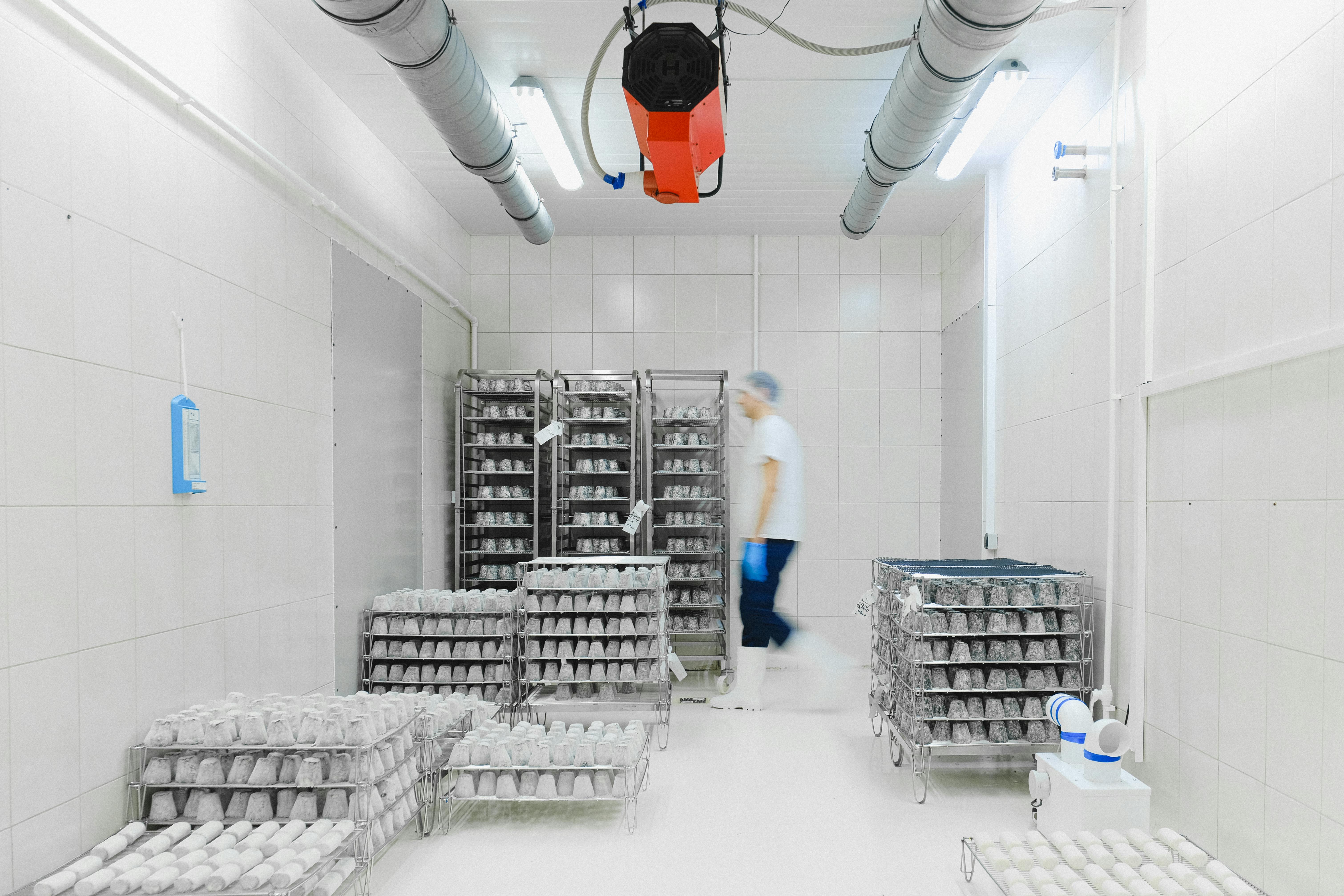
Representative licensed photograph of a cold-storage workplace, not a photo of an affected facility. Photographer: Anna Shvets / Pexels.
What did U.S. agencies warn about on November 5?
Reuters reported on November 5, 2026, that the FBI, Cybersecurity and Infrastructure Security Agency (CISA), and federal health, transportation and agriculture officials issued a joint warning about malicious activity targeting commercial refrigeration and temperature-control equipment. The concern is not ordinary household refrigerators: it is network-connected industrial control equipment used to keep food and other temperature-sensitive inventory within safe operating ranges.
Officials said an intruder who gained control of a vulnerable controller might change temperatures or operating conditions, potentially causing inventory loss, equipment damage or other physical consequences. These are possible impacts, not a verified description of every incident. Read the November 5 Reuters report and the government hardening resource referenced in that report.
Which U.S. businesses should review their systems?
The relevant audience includes supermarkets with centrally monitored refrigerated displays, commercial freezer warehouses, food processors, cold-chain logistics companies and other operators whose temperature systems can be accessed over a network. A facility is not automatically vulnerable because it uses refrigeration; exposure depends on its actual controller models, remote-access setup, credentials, software and network design.
Business owners should ask their equipment vendor or industrial-control specialist whether refrigeration controllers or monitoring dashboards are directly reachable from the public internet. A cloud monitoring service is not necessarily the same thing as an unprotected public controller. Confirm the architecture before changing it.
Five practical checks for cold-storage operators
- Inventory connected equipment. Identify refrigeration controllers, gateways, remote monitoring interfaces and vendors with access. Record the business-critical function of each.
- Review internet exposure. Ask qualified IT and operational-technology staff to determine whether management interfaces are publicly reachable. Remove unnecessary direct exposure using a planned change process.
- Separate operational systems. Review whether refrigeration controls are isolated from ordinary office networks and whether access is restricted to authorized administrators.
- Coordinate security updates. Check vendor advisories and apply supported firmware or software fixes during a safe maintenance window. Unplanned restarts can disrupt cooling operations.
- Prepare a temperature-continuity plan. Ensure staff know how to detect unexpected set-point changes, independently check temperatures, preserve logs and escalate to the equipment vendor and incident-response team.
These steps summarize the practical implications of the federal warning, not a claim that a particular product is vulnerable. Do not disconnect or reconfigure life-safety or food-safety equipment without an authorized operational plan.
What incidents prompted the warning?
Reuters linked the warning to recent commercial refrigeration disruptions in the United States and Europe. Its reporting described investigators examining malfunctions affecting grocery refrigeration at U.S. military bases and separate European incidents. Those cases help explain the urgency, but public reporting does not establish that one attacker or one software flaw caused all of them. No comprehensive U.S. victim list, universal controller model list or confirmed total loss figure was provided in the November 5 account.
Does this mean refrigerated food is unsafe?
No blanket conclusion about food safety follows from a cybersecurity advisory. Food businesses must assess actual temperature records, duration of any interruption and applicable food-safety procedures for each incident. Customers should rely on store-specific notices and official food-safety or recall announcements, not assume that every freezer or product is affected.
What happens next?
Operators should monitor the CISA website and their equipment manufacturers for additional technical details, patches and incident indicators. If a business suspects unauthorized changes, its incident-response and food-safety teams should investigate together; restoring service alone may not establish that affected inventory is safe. The government warning is a call for preventive checks, not evidence that a particular reader's facility was hacked.
For related coverage, see our AI infrastructure and energy analysis, U.S. data-center oversight explainer, and Technology reporting.
Sources and reporting method
- Reuters, November 5, 2026 — government warning, reported incidents and agency recommendations.
- CISA — federal hardening resource linked by Reuters (direct page access may be restricted).
- CISA — industrial-control-system cybersecurity background.
NewsTrendus desk analysis, published November 8, 2026. The recommendations are general risk-reduction guidance; no site visit, technical forensic examination or independent attribution of the attacks is claimed. The photograph is representative, not from a reported incident.