 News
US Data Center Election Backlash: What Changes Next
Voters and newly elected officials are challenging AI data center expansion across the United States. Here is what election results signal—and what they do not yet change about permits, utility bills and construction.
This is a source-linked desk explainer, not first-hand reporting. Research and drafting may use AI-assisted tools. Follow the cited source links and read our editorial and corrections policy.
This is an AI-assisted, source-linked desk explainer, not firsthand reporting. Read our editorial and corrections policy.
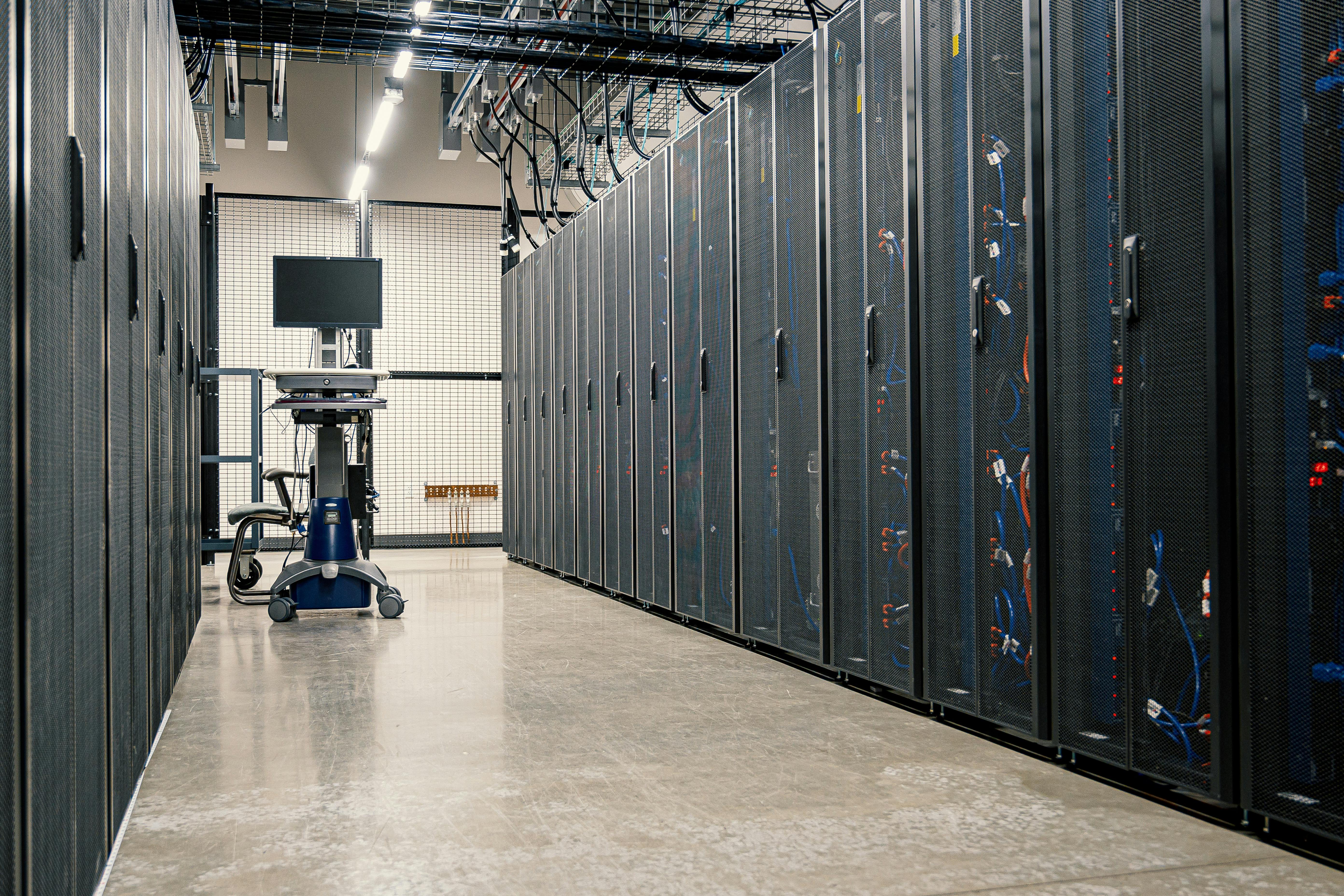
Representative licensed photograph of server racks, not a facility named in the election reporting. Photo: Brett Sayles / Pexels.
What happened in the 2026 data center elections?
Associated Press reporting published November 7 describes substantial success for candidates and local measures advocating stricter oversight of AI data center development. AP, citing an analysis by Data Center Watch, reports that 32 of 34 winning gubernatorial candidates supported stronger restrictions or regulation, while 12 supported bans or moratoriums. Those figures describe positions reported by the analysis; they do not mean 32 states enacted new laws.
AP also reports that restrictions prevailed in 44 of 45 completed local referendums examined. This is a count within the reported set of referendums, not a national vote share or a forecast for every community. Affordability and other issues also influenced election choices, so it would be inaccurate to attribute every candidate's victory solely to data centers.
Will new governors stop AI data centers?
Not necessarily. Campaign pledges, legislation, zoning rules, permit reviews and court decisions are different steps. A governor may seek new reporting requirements or limits, but local governments, utilities, regulators and state legislatures often control distinct parts of the approval process. Existing projects may have approvals or contracts that are not automatically undone by an election.
AP identifies Texas and Ohio as consequential markets where incoming leaders have pledged closer scrutiny. Whether particular projects face delay depends on the wording and legal status of any future rules. Readers should distinguish proposals from measures that have actually taken effect.
Could data centers raise household electricity bills?
Large computing facilities can require substantial power and grid upgrades. The household impact depends on how regulators allocate infrastructure costs, what electricity supply is available and whether operators fund dedicated improvements. It is not possible to calculate a resident's future bill from a national count of proposed data centers.
The International Energy Agency's 2026 energy assessment estimates worldwide data center electricity demand at about 485 terawatt-hours in 2025 and projects roughly 950 TWh by 2030 in its central case. These are global estimates and projections—not measured US household-rate increases or a forecast for any single state.
What should residents check before a project is approved?
For a proposed facility, residents can look for a published zoning or permit application, the expected maximum electricity load, the proposed water-cooling arrangement, and the utility's explanation of who pays for new grid equipment. Public hearing notices and utility commission dockets are more reliable for local decisions than social-media claims about a project being 'banned.'
| Reader question | Where to verify |
|---|---|
| Is construction approved? | Local planning and zoning records |
| Who pays for grid upgrades? | Utility filings and state regulator orders |
| What water use is proposed? | Permit applications and environmental reviews |
| Has a moratorium started? | Signed ordinance or enacted state law |
What happens next for companies and communities?
New officials can propose permit conditions, disclosure requirements or restrictions after taking office. Technology developers argue that predictable rules and community consultation can support investment; opponents want stronger protections against utility-cost shifts and local resource strain. Both claims should be tested against specific project documents.
The immediate news is an electoral shift toward scrutiny, not a single federal ban. For additional context, read our analysis of AI's environmental tradeoffs, our Technology coverage and US news archive.
Sources and reporting limits
- Associated Press, November 7, 2026: data center restrictions and election outcomes
- International Energy Agency, 2026: global data center electricity estimates and scenarios
- Reuters/Ipsos, October 7, 2026: voter attitudes toward AI risks and data center limits
Editorial transparency: This source-linked desk explainer draws on the named reporting and IEA analysis; NewsTrendus did not conduct its own voter survey or interview candidates. No local permit or electricity-bill outcome is claimed without a corresponding official decision.