 News
AI Helps Conservation Groups, but Data Center Costs Loom
Environmental organizations are finding practical uses for artificial intelligence in wildlife monitoring and conservation. The same technology also raises questions about electricity, water and emissions from the data centers that power it.
This is a source-linked desk explainer, not first-hand reporting. Research and drafting may use AI-assisted tools. Follow the cited source links and read our editorial and corrections policy.
This is an AI-assisted, source-linked desk explainer, not firsthand reporting. Read our editorial and corrections policy.
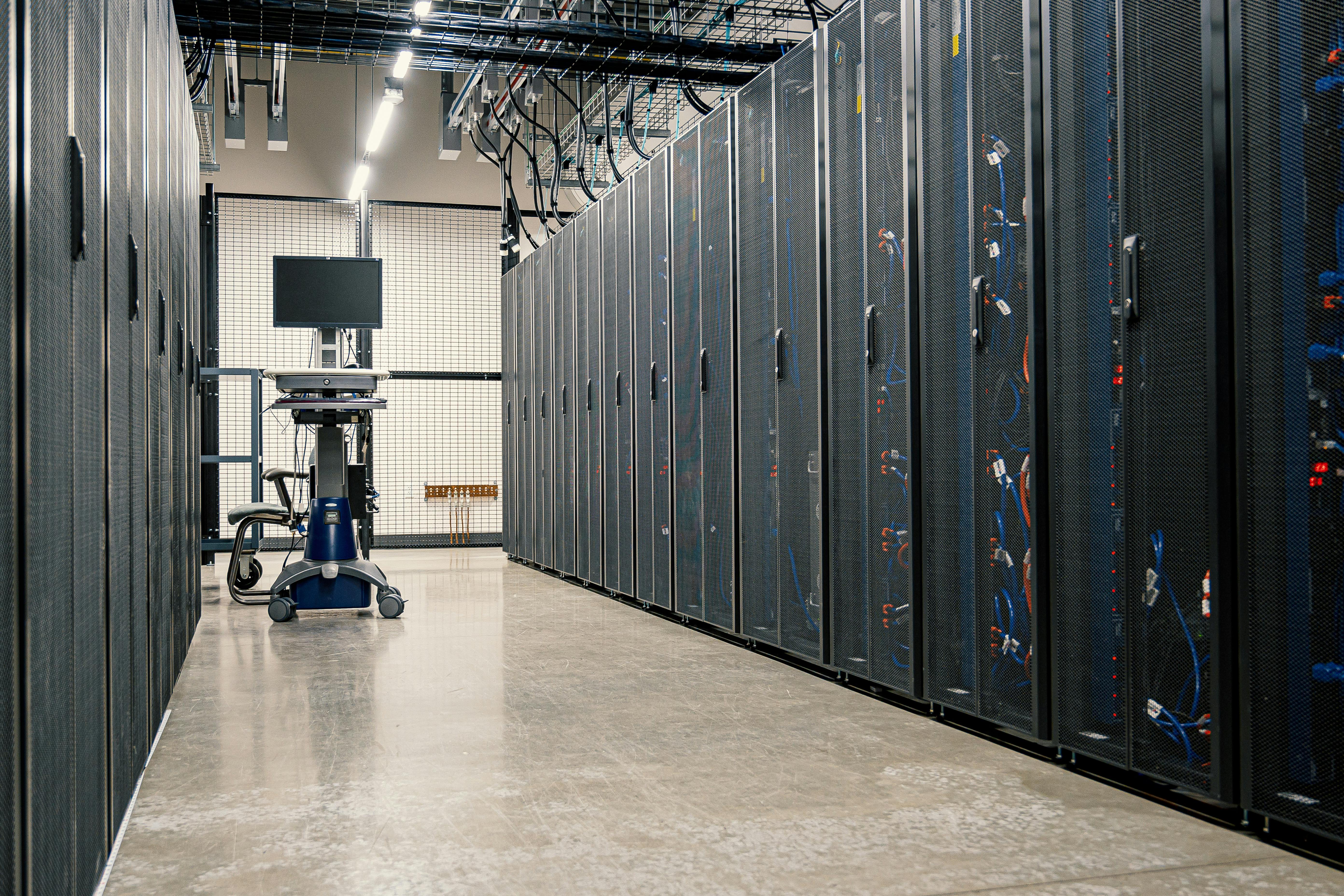
Representative licensed photograph of a data center, not a facility operated by the organizations discussed. Photo: Brett Sayles / Pexels.
How are conservation organizations using AI?
In reporting published November 7, Reuters says all 15 environmental organizations it interviewed use AI while expressing concern about the technology's environmental cost. This is a set of interviews, not a representative survey of every environmental nonprofit.
The examples show why conservation researchers are interested: automated analysis can sift through large collections of camera-trap and survey images, helping scientists spend more time interpreting observations and less time sorting files. Reuters describes one project processing roughly 200,000 wildlife-survey images in hours and another accelerating the digitization of decades of handwritten chimpanzee research. Those are reported examples, not promises that every conservation project will achieve similar savings.
What can AI do for wildlife and environmental monitoring?
Useful applications include identifying candidate animal sightings in photographs, screening for possible wildfire risks and flagging patterns in fishing activity. A model's output still needs checks: a mistaken species identification, missing camera coverage or biased training data can distort conclusions. Faster processing should therefore be treated as a way to support human expertise rather than proof of more accurate population estimates.
For US readers, the distinction matters when a local conservation group or agency announces an AI-assisted survey. Ask what data were collected, what human verification was used and whether results can be compared fairly with earlier counts. A change in detected animals may reflect improved detection rather than a real change in wildlife numbers.
How much electricity do AI data centers use?
The International Energy Agency's April 2026 assessment estimates that global data-center electricity demand rose 17% in 2025, while demand at AI-focused centers rose 50%. Its central projection places overall data-center consumption at about 950 terawatt-hours in 2030, versus 485 TWh in 2025. These are worldwide figures, not the electricity consumed specifically by conservation applications.
| Measure | Figure | Status |
|---|---|---|
| All data centers, 2025 | 485 TWh | IEA estimate |
| All data centers, 2030 | About 950 TWh | IEA central projection |
| AI-focused center growth in 2025 | 50% | IEA estimate |
The agency cautions that chip supply, grid connections, energy efficiency, new AI uses and financing could alter the outlook. It also says that electricity demand does not automatically translate into higher household bills everywhere: local grid conditions and decisions about who pays for new infrastructure are important.
Does AI's conservation benefit cancel out its footprint?
There is no defensible single yes-or-no answer. A project that helps detect illegal fishing could produce a valuable conservation benefit, but a claimed benefit is not a measured offset against power use, cooling water or carbon emissions. A credible comparison would need project-specific information: computing resources used, where the servers operate, the electricity mix, cooling requirements and the environmental result actually achieved.
The IEA also notes that energy per simple AI query has fallen sharply while more demanding applications, including video generation and complex reasoning, are spreading. This means an average per-query estimate cannot stand in for the footprint of a large image-analysis pipeline. Water use is similarly site-dependent and should not be inferred from a global electricity total.
What should US communities and conservation donors ask next?
For conservation projects: ask whether a system was tested against human-reviewed data, how errors are corrected, and whether its environmental gains are measured. For data-center projects: ask about projected peak electricity load, cooling-water needs, grid-upgrade financing and public reporting. For policymakers: distinguish documented efficiency improvements from promises about future technology.
The IEA report recommends more systematic disclosure and coordination between energy operators and technology developers. Reuters' November reporting highlights why this scrutiny matters even for groups whose mission is environmental protection. The immediate next step is not to abandon useful AI tools, but to make the benefits and resource costs visible enough to evaluate.
Related reporting and sources
For broader context, read our Science reporting and Technology coverage. Our AI impersonation fraud explainer covers a separate risk from the spread of AI tools.
- Reuters, November 7, 2026: interviews with conservation organizations
- IEA, April 2026: electricity use, efficiency and projections
- IEA, April 2026: findings and grid constraints
Editorial note: Reuters' organizational interviews are attributed to Reuters; NewsTrendus did not conduct those interviews. The IEA projection is not a prediction of conservation-sector electricity use.