 News
Sam Altman on PC RAM: What He Said About Cloud AI and Local Memory
The cloud-efficiency argument behind a viral interview—and what it means for people who want to keep AI on their own computers.
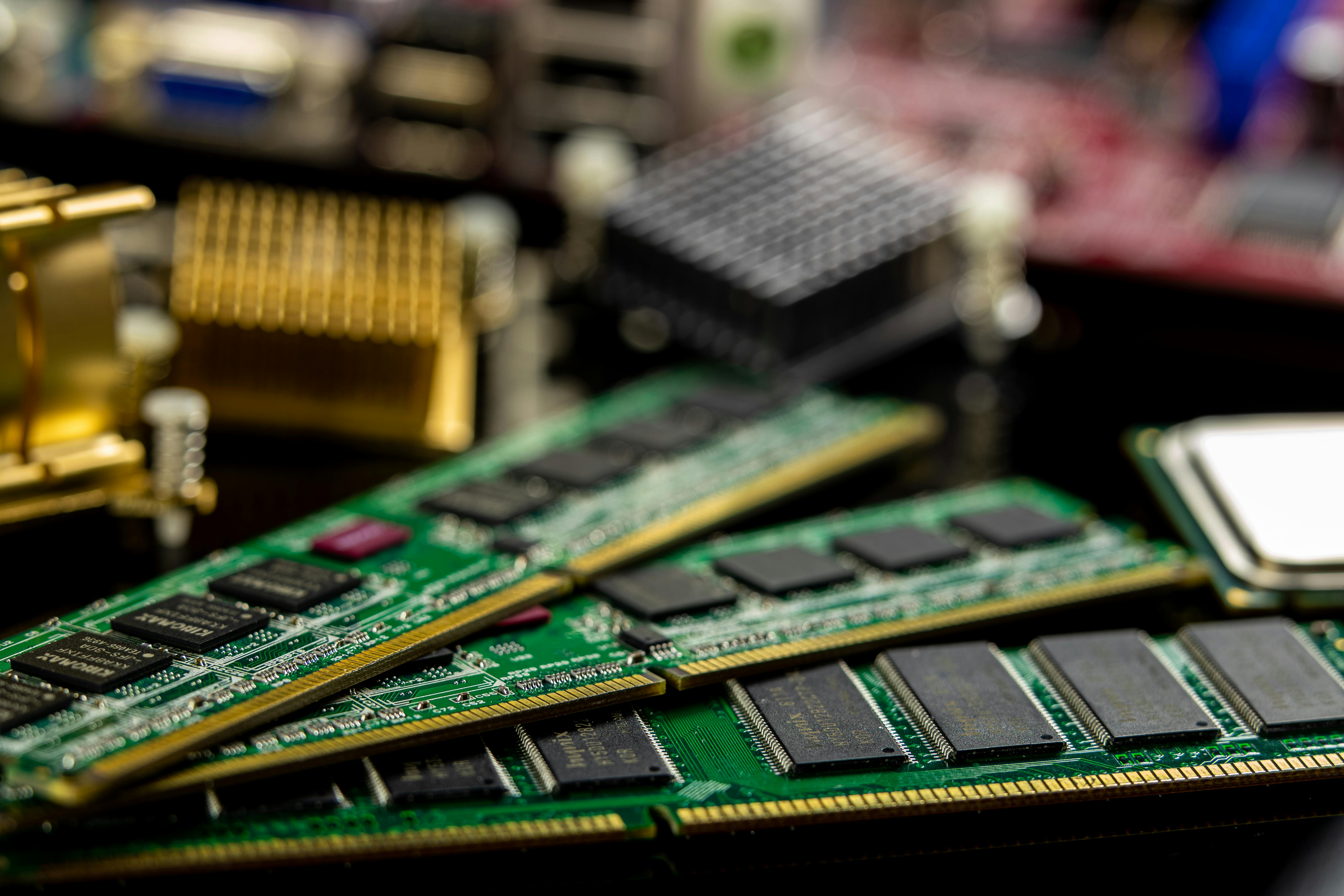
Representative licensed photograph of computer RAM components, not a photo of the interview or of a particular AI data center. Photo: Sergei Starostin / Pexels (Pexels free-use license).
Sam Altman's comments about PC RAM concern how limited computer memory is allocated as demand for AI grows. In an October 29 episode of John Collison's Cheeky Pint interview, the OpenAI chief argued that memory reserved in personal machines can be underused compared with memory shared across many cloud customers. His remarks drew attention as U.S. searches for Sam Altman PC RAM comments rose on October 31.
What did Sam Altman actually say about RAM?
Discussing the assumption that open-source models would allow people to do all their AI work locally, Altman described the global allocation of scarce DRAM to mostly idle personal computers as “quite terrible.” He used a roughly 5% utilization example to explain his view. That number was part of his argument in the interview; it is not a verified measurement of every consumer PC's memory use. The key distinction is that his objection was to low utilization amid constrained supply, not to the existence of personal computers.
Tom's Hardware's October 30 account places the remarks in the context of local AI inference. The Verge's October 31 coverage likewise describes the efficiency case for cloud computing during a memory shortage.
Does this mean consumers should remove RAM from their PCs?
No. The interview was a discussion of computing economics, not a product recall, legal requirement, hardware instruction or announced OpenAI policy. RAM is necessary for ordinary computing, including web browsing, gaming, creative software and accessibility tools—not just AI. A PC also needs enough memory for peak workloads even if that capacity is not busy every minute.
Importantly, a memory stick in a desktop PC is not automatically interchangeable with the high-bandwidth memory used alongside specialized AI accelerators. Manufacturers can face competing demands for production capacity and components, but a user taking RAM out of a laptop would not directly add equivalent capacity to an AI server.
Why would a cloud data center use memory differently?
Cloud operators can schedule many customers' workloads on shared infrastructure. When one user is idle, a server may be able to serve another. That pooling can improve utilization in suitable workloads, although it also depends on network connections, server capacity, data transfer and energy costs. A dedicated local device has a different job: it must respond immediately when its owner needs it, even if it sits idle between tasks.
These are competing design priorities, not proof that one architecture is always better. For example, a large model that exceeds a laptop's memory may require remote compute; a small model handling private documents may run effectively on a local machine.
Cloud AI versus local AI: what changes for U.S. users?
Cloud AI can provide access to larger models without buying powerful hardware, but usually requires connectivity and may involve ongoing fees, data-transfer considerations and service-provider policies. Local AI can work offline, give users more control over where files are processed and avoid some recurring cloud charges, but requires adequate RAM, storage and processing hardware. Neither option is automatically private or secure: the actual application and configuration matter.
For a household considering a new laptop, the practical question is what software it must run over its expected lifetime. Buying too little RAM can limit ordinary multitasking and future local applications; paying for a large upgrade solely because of AI marketing may also be unnecessary. Check the applications' published requirements rather than treating a viral interview as a purchasing instruction.
Is there a confirmed RAM shortage or a new consumer price?
Technology reporters have connected the comments with strong AI infrastructure demand and concerns about memory pricing. But the interview did not establish a universal U.S. retail RAM price, a specific date when prices will normalize or a mandate to move consumer workloads to the cloud. Component prices vary by capacity, type and retailer; forecasts should not be confused with guaranteed future prices. Claims that the remarks alone caused a particular stock-market move also require evidence beyond the timing of the interview.
What happens next?
The immediate development is a public debate about whether cloud-scale utilization should outweigh user ownership, offline access and control. No new consumer product or regulatory change was announced in these remarks. Further information would need to come from actual hardware suppliers, cloud service pricing or subsequent official company announcements. The interview's economic premise is open to scrutiny, especially because large AI providers have a commercial interest in cloud adoption.
Sources and verification
- Cheeky Pint, October 29 episode featuring Sam Altman (original interview reference)
- Tom's Hardware, October 30 (interview context)
- The Verge, October 31 (independent technology coverage)
- PCMag technology reporting (consumer computing context)
Related: Reddit's search and login discussion and Google Cloud and AI infrastructure spending. These cover separate aspects of the cloud business.