 News
Fed's Barr Warns AI Could Disrupt US Jobs and Widen Inequality
The Federal Reserve governor described possible AI-related job disruption and inequality, while stressing that large-scale displacement has not yet been demonstrated.
This is a source-linked desk explainer, not first-hand reporting. Research and drafting may use AI-assisted tools. Follow the cited source links and read our editorial and corrections policy.
Source-linked analysis, not firsthand reporting. AI-assisted drafting may be used; see our editorial and corrections policy.
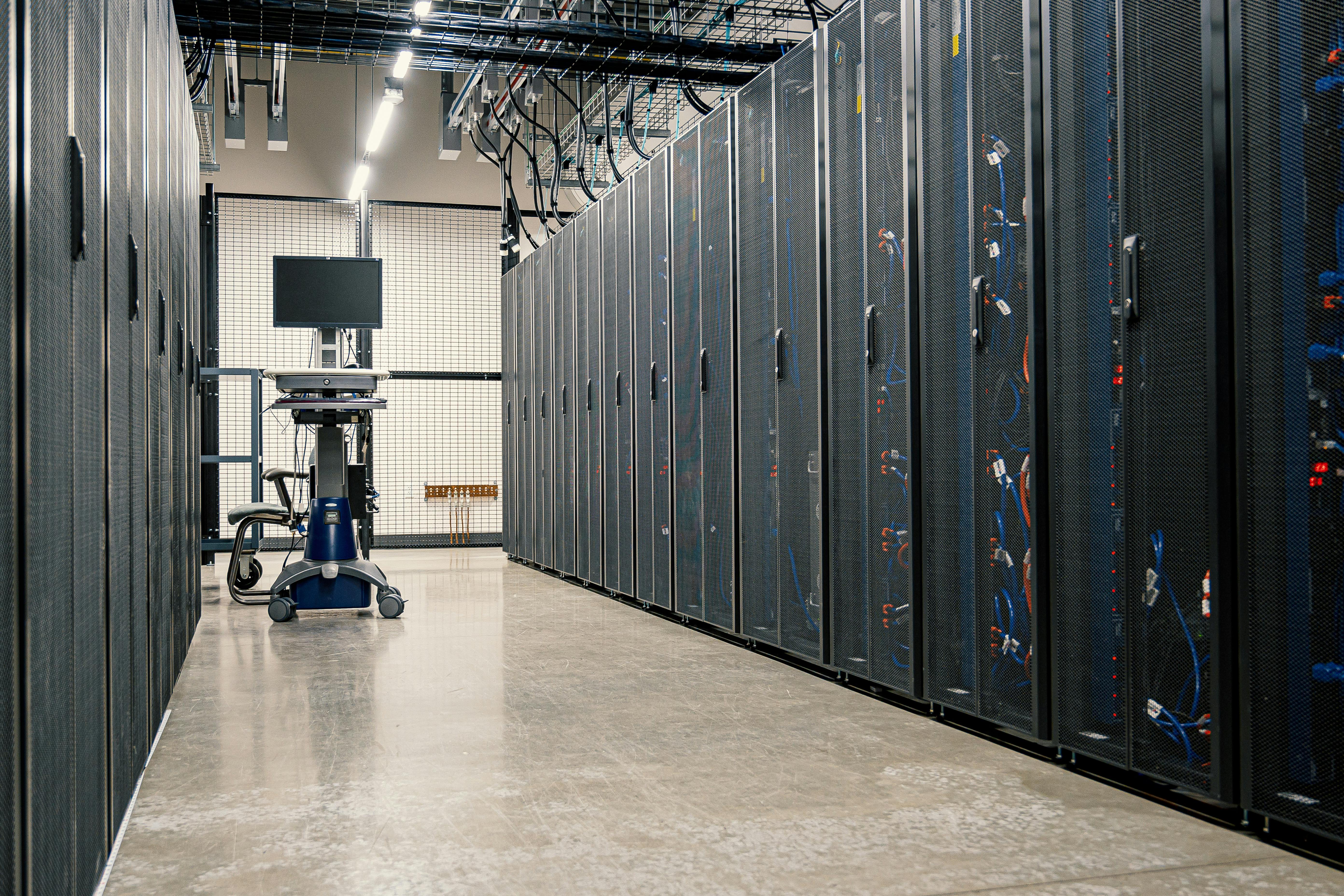
Representative photograph of computing infrastructure; not a photograph of the Federal Reserve or the speech. Photo: Brett Sayles / Pexels.
What did Barr say about AI and American jobs?
Barr argued that the speed and distribution of AI adoption matter as much as the technology's eventual economic benefits. Businesses can use AI to complement employees, automate individual tasks or reorganize hiring. Those different choices have very different consequences for workers. His remarks call for preparation for a potentially difficult transition, not an assertion that every occupation will be replaced.
In Reuters' November 12 coverage, the governor's warning was placed alongside his acknowledgement that widespread displacement has not yet emerged. That distinction is important: concern about a plausible future risk is not evidence that the risk has already materialized across the U.S. labor market.
Which workers could face the most pressure?
Early-career workers in AI-exposed occupations may be especially vulnerable when employers can automate some entry-level tasks rather than recruit and train new staff. Barr's earlier February 2026 analysis discussed emerging research on younger workers, while noting limited aggregate employment effects so far. The evidence does not establish that every new graduate or every technology worker will lose work.
For an individual employee, the practical distinction is between a change in tasks, a reduction in hiring and an actual layoff. These outcomes should not be treated as interchangeable. Company-level decisions and occupation-specific data will be more informative than broad predictions about all jobs.
Why could AI widen income inequality?
Productivity gains can accrue to employees who learn to use new tools, but also to the owners of the technology and companies able to deploy it at scale. If higher-income workers and large businesses capture a disproportionate share, income and wealth gaps could grow. Conversely, affordable AI tools could help smaller businesses and less-experienced workers become more productive. Barr described both possibilities rather than declaring one inevitable.
Does the warning mean the Fed has changed interest rates?
No. A governor's discussion of possible labor-market and productivity effects is not itself a Federal Open Market Committee rate decision. AI infrastructure spending can affect demand for electricity, equipment and construction resources in the near term, while eventual productivity improvements might influence prices differently. Neither effect supplies a reliable timetable for the next interest-rate move.
Readers following AI infrastructure investment can also see our AMD–PsiQuantum partnership coverage and the Business news section for related U.S. economic context.
What should U.S. workers and employers watch next?
The most useful indicators are actual hiring and employment data by occupation, documented changes in job duties, and employer training or redeployment programs. Barr's warning makes a case for planning and evidence-based responses, not for assuming a predetermined AI unemployment crisis. Policymakers may debate training, competition and income-distribution measures, but no new worker-benefit program or eligibility rule was announced in this speech.
Sources: Federal Reserve, Michael Barr's November 12 remarks; Reuters independent reporting; Federal Reserve background remarks, February 2026. NewsTrendus distinguishes current evidence from forward-looking scenarios.