 News
AMD and PsiQuantum Expand Quantum Computing Partnership
The chipmaker's expanded agreement is about the computing systems around future quantum machines—not a claim that a commercially useful quantum computer is already operating.
This is a source-linked desk explainer, not first-hand reporting. Research and drafting may use AI-assisted tools. Follow the cited source links and read our editorial and corrections policy.
This is a source-linked explainer, not firsthand reporting. AI-assisted drafting may be used; see our editorial and corrections policy.
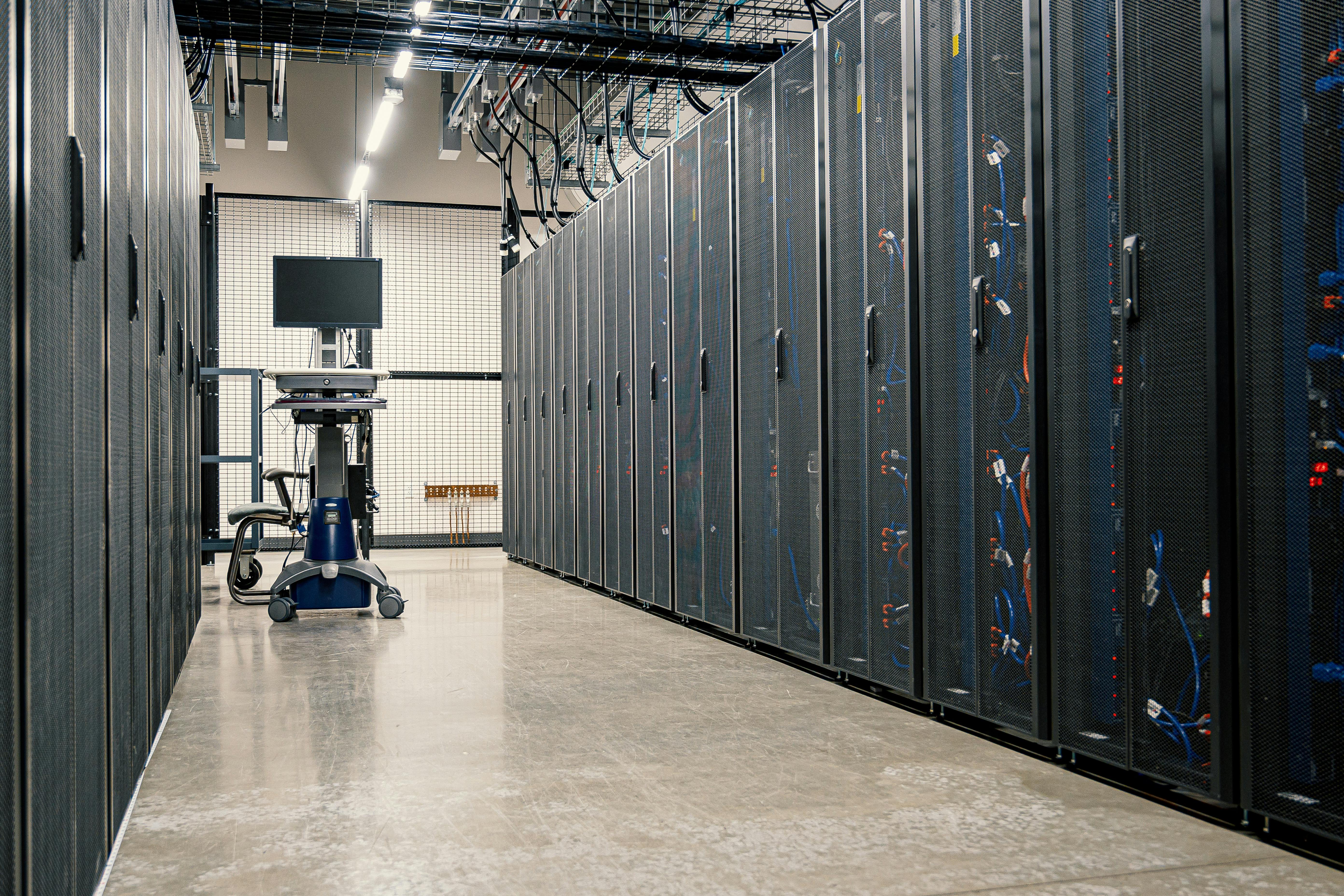
Representative photograph of conventional server infrastructure; not a photo of the companies' quantum system. Photo: Brett Sayles / Pexels.
What did AMD and PsiQuantum announce?
The companies say they will expand work already involving AMD Versal adaptive chips to include AMD EPYC processors, Instinct GPUs and ROCm software alongside PsiQuantum's silicon-photonics technology. The aim is to coordinate classical processing, error correction and future photonic quantum hardware. This is a partnership to design and develop infrastructure, not an announcement that customers can buy a finished utility-scale quantum computer today. The Reuters report independently confirmed the planned investment and the undisclosed financial terms.
Why do quantum computers still need conventional chips?
Quantum processors do not eliminate the need for ordinary computers. A fault-tolerant machine requires substantial control, monitoring and error-correction work, while researchers also need conventional processors to prepare inputs and interpret outputs. AMD's contribution targets that supporting layer. PsiQuantum's approach uses photons and silicon-photonics components; the companies intend to connect these systems with high-performance and AI computing. The exact commercial performance, cost and delivery schedule remain unproven in this announcement.
What does the deal mean for drug discovery?
The companies highlighted existing work on simulations of covalent inhibitors, molecules relevant to oncology research. They say their combined methods have produced promising initial results on AMD GPUs. Those are company-reported research findings, not evidence of an approved medicine, a completed clinical trial or a proven quantum-computing advantage in patient care. Further benchmarking and independent scientific validation would be needed to assess practical impact.
Is AMD investing in PsiQuantum, and how much?
AMD says it plans to make an equity investment, but the announcement does not specify a dollar figure, stake percentage, closing date or binding completion terms. Readers should not confuse the planned private investment with a publicly disclosed acquisition or a confirmed revenue contract. The expanded relationship could matter to chip, software and scientific-computing customers, but near-term financial effects have not been quantified.
What happens next in the United States?
The companies say they will explore a larger presence around the Illinois Quantum and Microelectronics Park in Chicago, where PsiQuantum is an anchor tenant. They also plan to discuss the collaboration at SC26, scheduled for November 15–20 in Chicago. Those are identifiable next milestones; neither establishes a completion date for a fault-tolerant commercial system. For related enterprise-technology context, see our Microsoft 365 outage explainer, or browse the Technology news category.
What is confirmed and what remains open?
Confirmed: an expanded collaboration, named AMD hardware and software families, a planned equity investment, and intended work on hybrid applications. Not disclosed: investment size, a production system's delivery date, independently measured commercial quantum advantage, or financial returns. This distinction matters when evaluating announcements in a research-intensive sector.
Sources: AMD and PsiQuantum joint announcement, November 12, 2026; Reuters independent reporting, November 12, 2026. Company research claims are attributed, not independently reproduced by NewsTrendus.