 News
Ted Bundy DNA Breakthrough: Utah Closes Melissa Ann Smith's 1974 Cold Case
Investigators say preserved evidence and newer DNA methods have brought an answer in a case left open for 52 years.
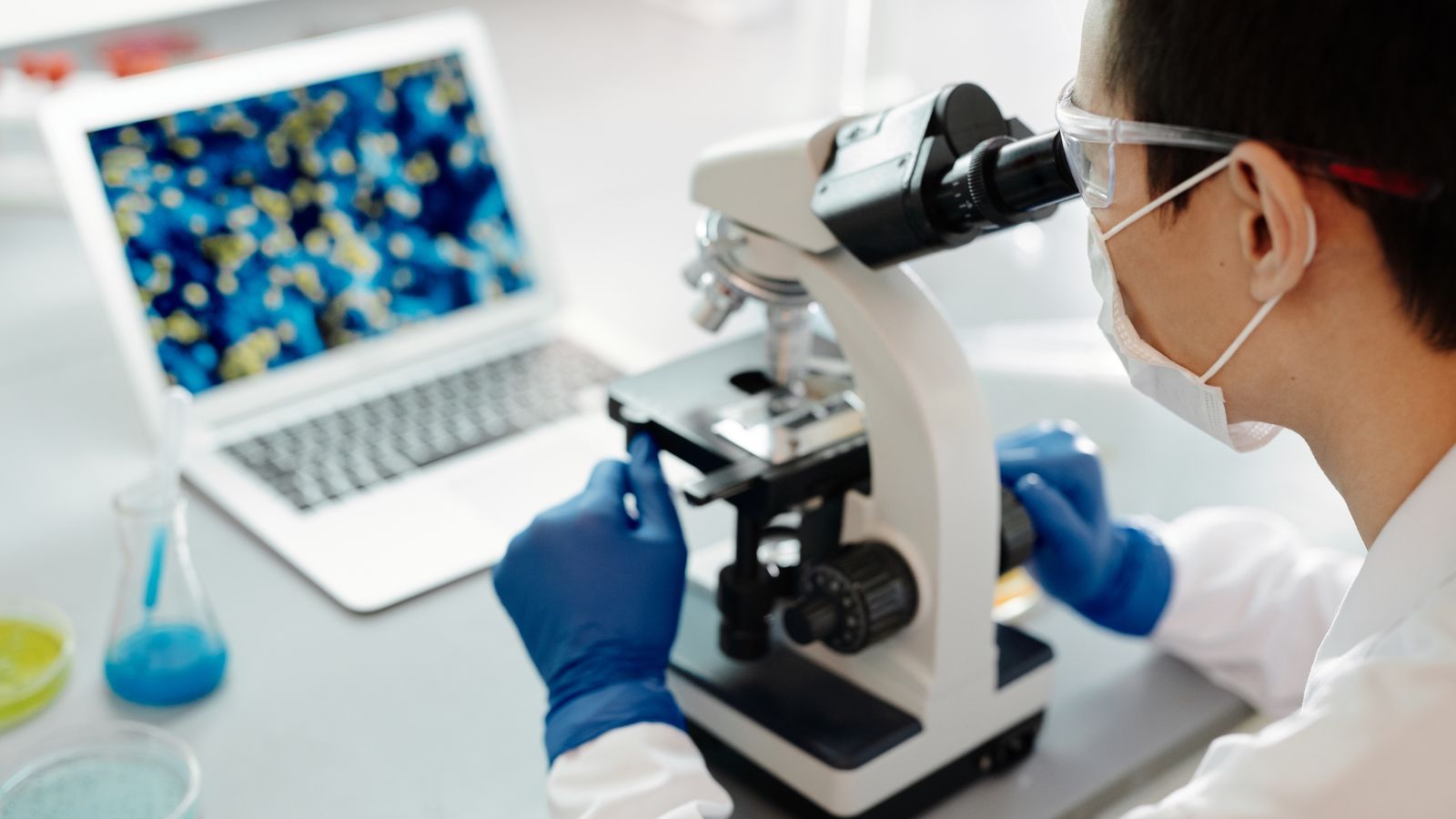
Representative licensed photograph, not the reported event or people. Photo: Edward Jenner / Pexels (Pexels free-use license).
What Utah investigators announced
Authorities in Summit County, Utah, said on October 27, 2026, that they have formally attributed the 1974 killing of 17-year-old Melissa Ann Smith to serial killer Ted Bundy. The announcement came 52 years after a hunter discovered Smith's body near Summit Park. Officials described the result as a resolution of the long-running homicide investigation, not a newly filed criminal case.
Smith had disappeared on October 18, 1974, after being seen in the Salt Lake Valley. Her family spent decades without an official determination of who killed her. At a news conference in Park City, Summit County Attorney Margaret Olson said DNA evidence, considered together with investigative circumstances, supported identifying Bundy as responsible. Local public radio station KPCW reported directly on the officials' remarks.
How the DNA comparison changed the case
The breakthrough did not come from a newly discovered photograph or an untested confession. Investigators revisited preserved biological evidence from Smith's case after work on the 1974 killing of another Utah teenager, Laura Ann Aime. Officials said DNA associated with the Aime investigation was compared with material retained from Smith's case, producing a match; investigators also drew on a Bundy DNA profile maintained in Florida.
Utah's crime laboratory began using newer profiling methods in 2023 that can help examine limited or degraded samples. That technological advance matters because decades-old evidence can be difficult to analyze with earlier tools. It does not mean every historical case can be solved, and the full forensic case file has not been made public. The Associated Press independently reported the comparison and the significance of preserving old evidence.
Why the case is being closed now
Bundy was suspected of numerous killings across several states in the 1970s, but suspicion is not the same as an official finding in a particular case. Authorities said Smith's investigation had remained open without a formally named perpetrator. The October announcement changes that status because investigators say the new evidence is sufficiently strong to identify him.
Bundy was executed in Florida in 1989. Consequently, the finding cannot lead to a new trial of him. The practical result is an official investigative conclusion for Smith's family and a clearer historical record. It should not be confused with a jury verdict rendered in 2026.
What remains unresolved
Investigators emphasized that other missing-person and homicide cases potentially connected to Bundy are still being examined. The disappearance of Utah teenager Nancy Wilcox was among those mentioned by local officials. No reader should interpret the Smith announcement as proof that every suspected Bundy case has been solved.
The case also illustrates the limits of true-crime shorthand. The public record contains a specific forensic finding and a statement by investigators; it does not require graphic descriptions of the crime or speculation about victims' private lives. Smith was a teenager whose family waited generations for an answer. That human impact is central to the news.
What to watch next
Further details, if released, could clarify the forensic chain of custody and whether other Utah investigations benefit from the same techniques. For now, the most reliable account is the October 27 announcement and contemporaneous reporting from journalists who attended or verified it. NewsTrendus will distinguish any future official case closure from unconfirmed online claims.
Sources and verification
This original NewsTrendus report was prepared using the dated primary and independent sources below. The representative photograph does not depict the event, teams or people reported. Facts checked October 28, 2026; later developments may require updates.
- KPCW, reporting from Summit County officials' Oct. 27 news conference
- Associated Press, DNA links Bundy to Utah teenager's 1974 death, Oct. 27–28, 2026
- The Salt Lake Tribune, Utah cold-case reporting, Oct. 27, 2026
Editorial note: Send corrections through our contact page.