 News
Spain Train Crash: Madrid–Seville Rail Disruption and What U.S. Travelers Should Know
Spain's national rail operator confirms a collision involving an AVE and an Iryo train near Toledo. The Madrid–Andalusia high-speed corridor is disrupted as emergency crews respond.
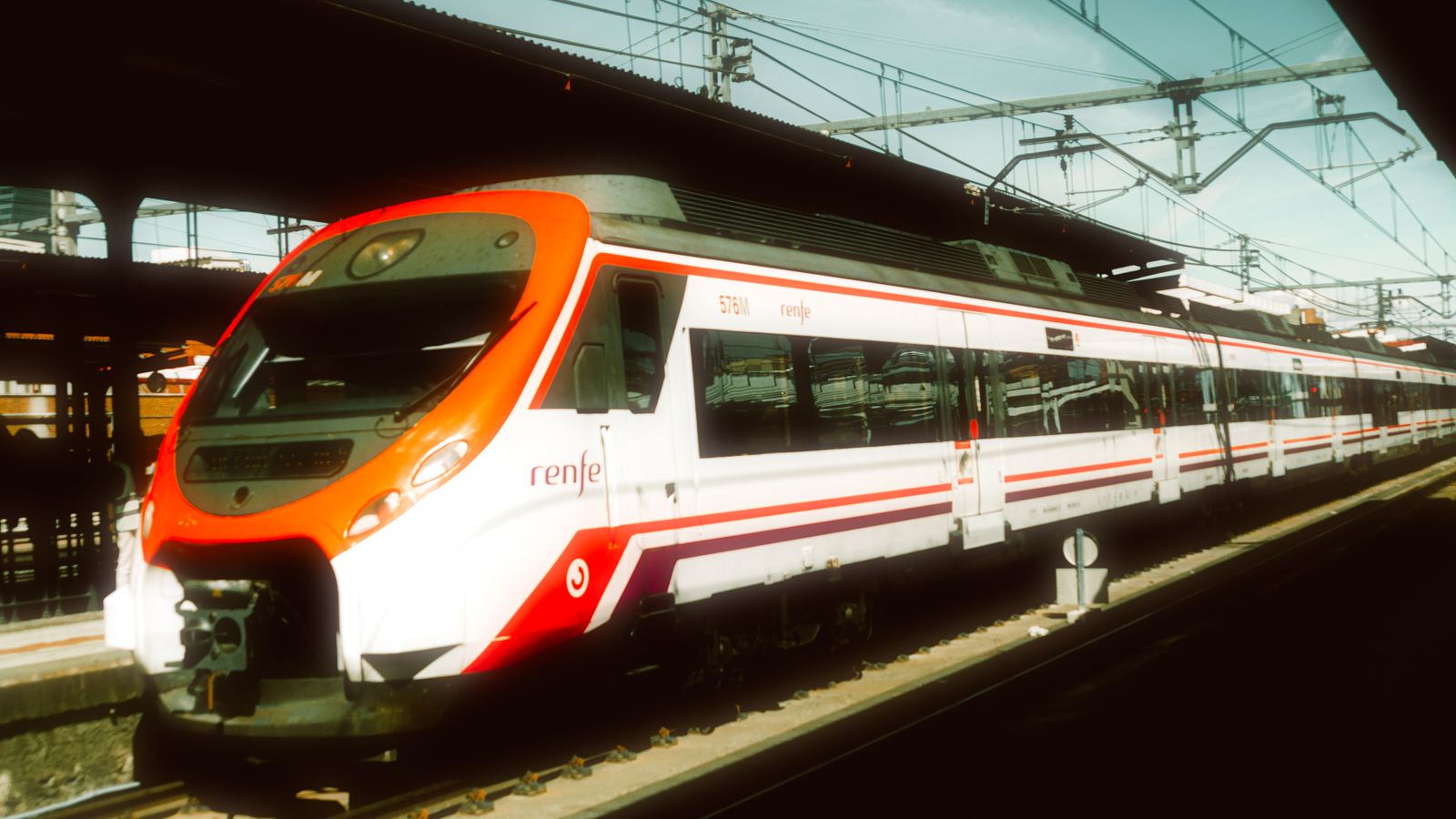
Representative licensed photograph, not the reported event or people. Photo: Nicolas Santacruz / Pexels (Pexels free-use license).
MADRID, Oct. 28, 2026 — Two high-speed passenger trains collided in central Spain on Wednesday, causing fatalities, injuries and a suspension of rail traffic between Madrid and Andalusia. The national operator Renfe confirmed that its AVE train and an Iryo train were involved between Los Yébenes and Urda in Toledo province. This report focuses on verified operational information and practical next steps for Americans visiting Spain.
Where did the Spain train crash happen?
Renfe identified the affected service as an AVE departing Madrid Puerta de Atocha at 8 a.m. for Seville Santa Justa, with a scheduled arrival at 10:39 a.m. The collision occurred on the high-speed corridor south of Madrid. Reuters reported that Spanish infrastructure manager Adif suspended traffic on the Madrid–Andalusia line after the collision.
The collision's cause had not been established in the official statements reviewed. Reports of a rear-end impact and derailed railcars were emerging, but an initial description of the crash is not the same as a completed safety investigation. Avoid assigning blame to a train crew, signaling system or infrastructure operator without evidence.
What is known about casualties?
Renfe acknowledged deaths and injuries but said it was still gathering information on the extent of the disaster. In a developing live report, Le Monde reported a provisional toll of at least 64 deaths attributed to the Castilla-La Mancha regional government. The number is time-sensitive and may change as rescue operations continue; it should not be treated as a final count.
No verified breakdown of the victims by nationality was established by the primary operator statement used here. U.S. readers should not assume Americans were involved, or that none were, until relevant authorities provide confirmed information.
Are Madrid–Seville and Madrid–Andalusia trains running?
Renfe's October 28 statement said traffic between Madrid, Ciudad Real and Andalusia was interrupted. The disruption may affect itineraries beyond the two trains directly involved because the route is a major long-distance corridor. A ticket shown as booked in an app is not proof that the train is still scheduled to operate.
Before traveling to Madrid Atocha or a southern Spain station, check the operating company's live service status and messages sent to the contact details on your booking. Do not rely on a third-party itinerary screenshot captured before the incident. Renfe and Iryo passengers should contact the company that issued their ticket for rebooking and refund options; eligibility depends on the affected service and applicable policies.
What should U.S. visitors do if their trip is affected?
First, confirm whether your train has been canceled or rescheduled using official operator channels. Second, keep the original booking confirmation, payment record and any cancellation notice. Third, if your trip includes a hotel or connecting flight, contact those providers promptly to discuss flexibility; a rail disruption does not automatically waive every separate reservation's terms.
Travelers who are safe but delayed should use reputable station information and avoid unofficial social-media accounts offering paid rebooking or emergency transport. If an immediate safety concern exists, follow local emergency services' instructions rather than traveling toward a closed rail line.
How can families get information?
Renfe said it activated its crisis response and assistance plan for accident victims and their relatives. The company published a family-assistance number, 900 10 10 20, in its official October 28 notice. Callers outside Spain should verify whether an international dialing format or alternate contact is available, because domestic toll-free numbers may not work abroad.
U.S. citizens seeking general consular guidance can consult the U.S. State Department travel advisory service and U.S. Embassy information. The advisory system is general travel guidance, not a real-time passenger manifest or an accident-specific casualty confirmation service.
What remains unconfirmed?
The cause of the collision, the final number of casualties, a complete list of affected services and a firm restoration time were not independently established from the primary statements available for this report. Readers should watch Renfe, Adif and emergency-service updates for developments. NewsTrendus will not publish victim identities or causal theories based solely on circulating images.
Sources and verification
NewsTrendus independently prepared this report from the sources below. Facts were checked October 28, 2026. The photograph is illustrative and does not depict the people or events reported. Developing information may change; later official updates take precedence.
- Renfe, Oct. 28: official collision and service-interruption notice
- Reuters, Oct. 28: Adif announces Madrid–Andalusia line suspension
- Le Monde, Oct. 28 live reporting: provisional casualty figures and emergency response
- U.S. Department of State, travel advisories and traveler guidance
Editorial note: Send corrections through our contact page.