 News
Dolores Huerta Dies at 96: Farmworker Organizer's Life and 'Sí, Se Puede' Legacy
Her family confirmed the labor leader's death Wednesday; Huerta helped build the farmworker movement and shaped generations of civil-rights organizing.
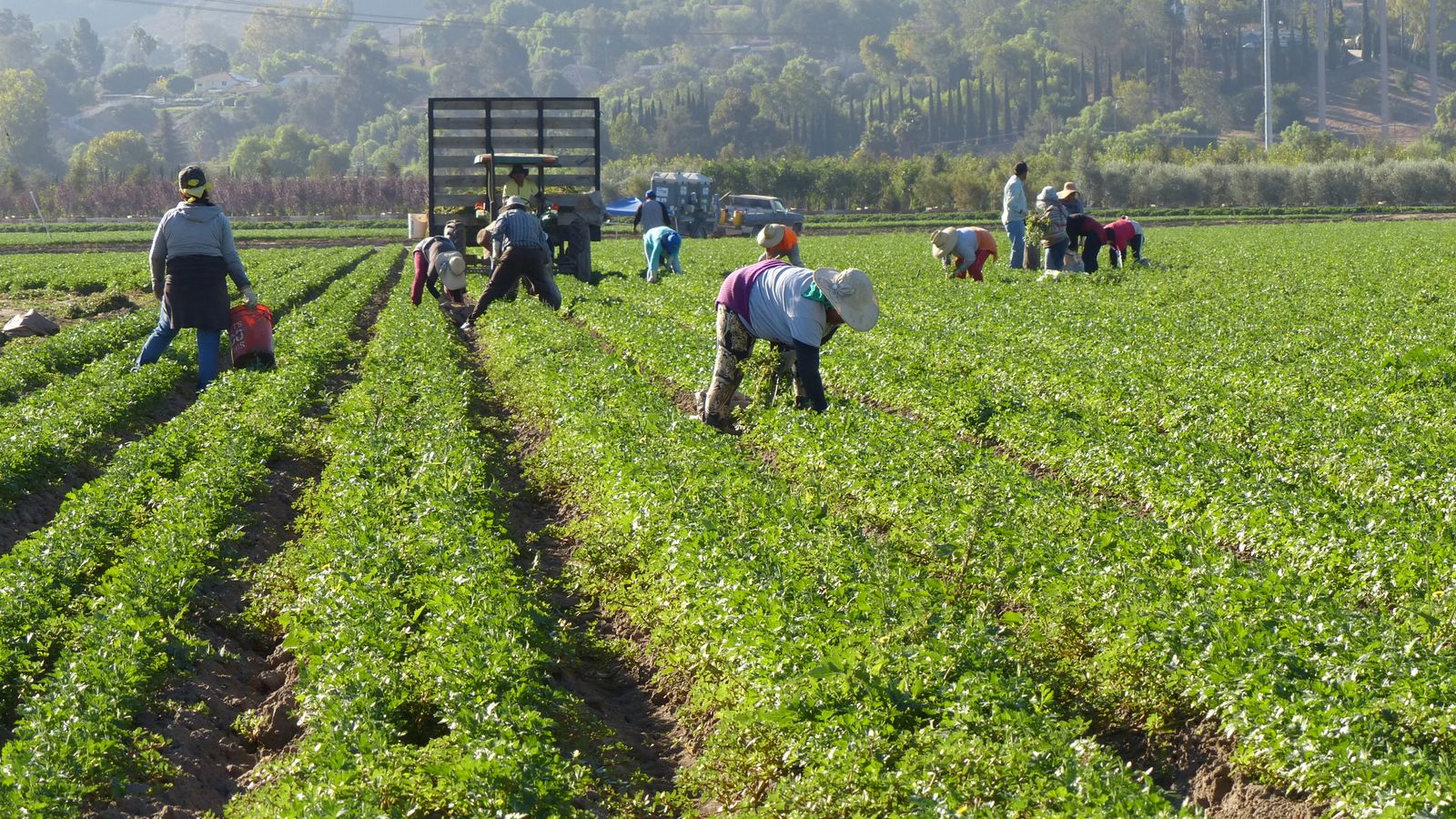
Representative licensed photograph, not the reported event, product or person. Photo: Circe Denyer / Pexels (Pexels free-use license).
BAKERSFIELD, Calif., Oct. 28, 2026 — Dolores Huerta, the labor organizer and civil-rights advocate who helped found the organization that became the United Farm Workers, has died at 96. Her family said she died Wednesday at home, according to Associated Press reporting. Her career spanned farm labor contracts, voter registration, women's rights and grassroots leadership training.
What is known about Dolores Huerta's death?
Huerta's family confirmed her death in a statement shared through her foundation on October 28. The Associated Press reported that she died at home; the initial family announcement did not establish a detailed medical cause of death. Readers should be cautious about unsourced claims about her final illness or private family circumstances.
Her death closes a remarkable public career but not the organizations she helped build. The Dolores Huerta Foundation, established in 2003, has worked on community organizing and civic participation in California's Central Valley. Information about public tributes or services should be checked against statements from the family or foundation rather than assumed.
How did Huerta help create the farmworkers movement?
Born in Dawson, New Mexico, in 1930 and raised in Stockton, California, Huerta initially worked as a teacher. Seeing the struggles of farmworker families helped steer her toward community organizing. In 1962 she and César Chávez founded the National Farm Workers Association, which later joined forces with Filipino-led farmworker organizers and developed into the United Farm Workers.
The National Park Service records Huerta's work as a negotiator, organizer and boycott leader. During the Delano grape strike and subsequent national boycott, she helped turn local agricultural labor disputes into a broader campaign over wages, dignity and collective bargaining. The movement's successes relied on workers and organizers across communities, including Filipino labor leaders whose early strike actions were crucial.
What did 'Sí, se puede' mean in her activism?
Huerta is widely credited with popularizing “Sí, se puede” — “Yes, it can be done” or “Yes, we can.” The phrase became a rallying cry for labor campaigns and later political and social-justice movements. Its lasting power came from linking a short, memorable expression to the difficult work of organizing people who had little leverage individually.
It would be misleading to reduce her legacy to a slogan. She was a practical labor negotiator who helped secure contracts and pushed for policy changes affecting agricultural workers, women and families. Her work also emphasized voter registration and developing new local leaders.
What honors and institutions mark her career?
Huerta received the Presidential Medal of Freedom in 2012, and her life and organizing are documented by the U.S. National Park Service. The Park Service also notes her long involvement in civil-rights organizing and her role in the formation of the farmworkers union. These historical records provide context independent of today's breaking obituary reports.
She continued public advocacy into her 90s, addressing poverty, discrimination, voting rights and women's representation. Her foundation's ongoing community work is one measure of a legacy designed to outlast a single leader.
Why does her work still matter to U.S. workers?
Farm labor remains central to the U.S. food supply, while debates over workplace protections, organizing rights and immigrant workers continue. Huerta's example illustrates how collective bargaining, boycotts, public pressure and community coalitions can shape policy and working conditions over decades. Her death is news today; the long-term history is why Americans across generations know her name.
This obituary draws a clear line between the family-confirmed death and historical context from public records. New information about memorial arrangements should come from the family or foundation.
Sources and verification
NewsTrendus independently wrote this report using the dated, attributable sources below. The representative photograph does not depict the reported event or the exact subject. Reporting reflects information available October 28, 2026.
- Associated Press via The Washington Post, October 28 family-confirmed obituary
- CBS News, October 28 confirmation and obituary
- U.S. National Park Service, Dolores Huerta historical profile
Editorial note: New information may change developing details. Send corrections through our contact page.