 News
US Counter-Drone Push: What the FAA Must Review
Federal agencies said November 9 they would accelerate evaluation of systems that can detect and stop unauthorized drones. The plan addresses border and security threats, but coordination with aviation regulators remains essential to avoid risks to aircraft.
This is a source-linked desk explainer, not first-hand reporting. Research and drafting may use AI-assisted tools. Follow the cited source links and read our editorial and corrections policy.
This is a source-linked desk explainer, not firsthand reporting. Research and drafting may use AI-assisted tools. Read our editorial and corrections policy.
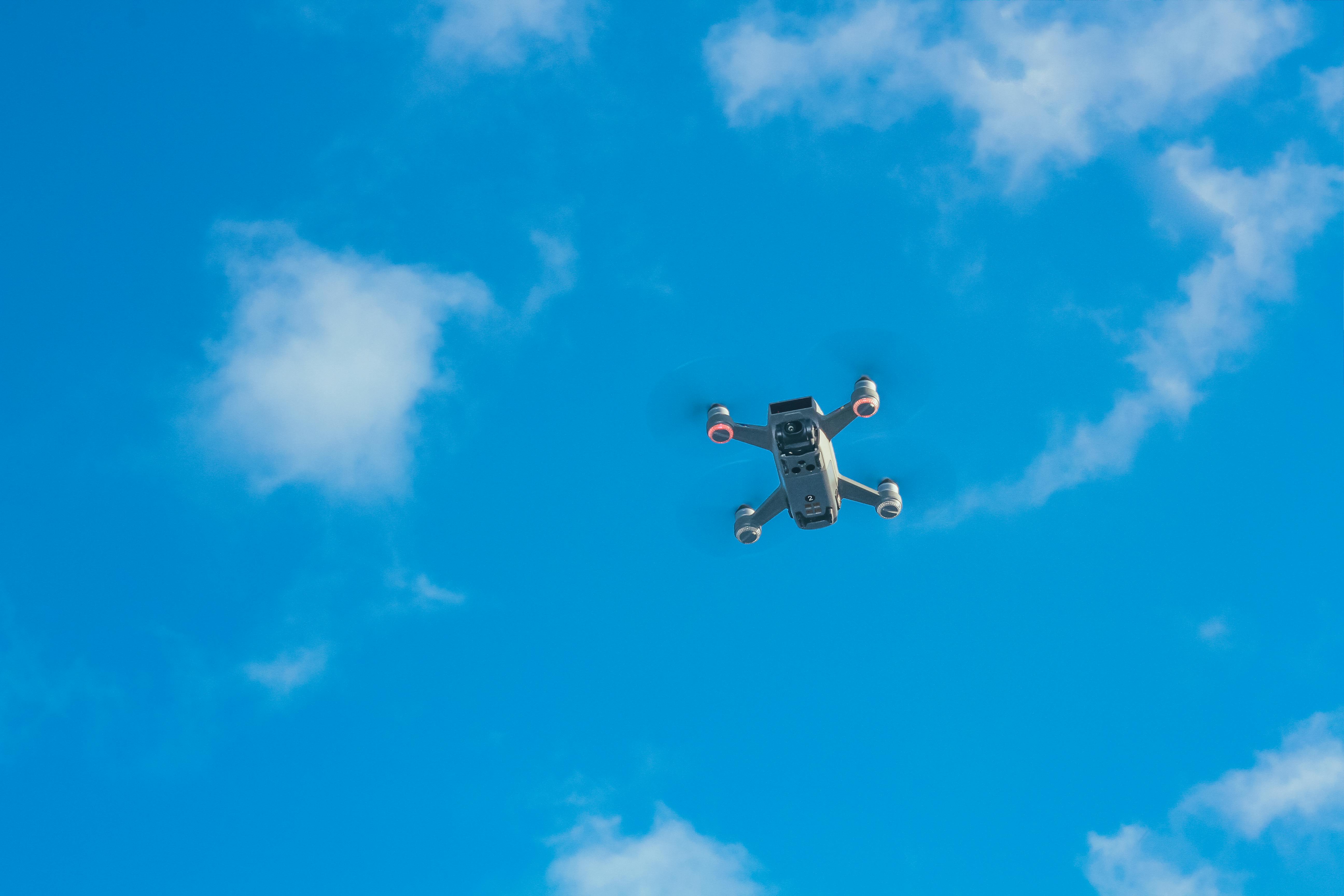
Representative licensed photograph of a drone flying against the sky; not a photograph of the reported drone systems, border operations or federal officials. Photographer: Pok Rie / Pexels.
What changed in the US counter-drone initiative?
Federal officials are trying to shorten the time between identifying a credible drone threat, evaluating a defensive technology and deciding where it can be used safely. Reuters reported that agencies including the Federal Aviation Administration, Defense Department, Energy Department and Justice Department signed a memorandum to coordinate their work. This is an operational coordination announcement, not a blanket permission for private individuals to disable drones.
The practical challenge is that technologies designed to interrupt or defeat a drone may create other risks in crowded airspace. A solution suitable for a remote security site may require different controls near airports, populated areas or ordinary civil flights. Faster review should therefore be understood as a process goal, not a guarantee of immediate deployment everywhere.
Why does the FAA matter for counter-drone systems?
The FAA manages safety in the national airspace system. Reuters reported that the agency has already handled more than 1,000 coordination requests involving the Pentagon and Homeland Security and said it can review familiar systems quickly. The number describes coordination activity, not a count of systems cleared for unrestricted nationwide use.
In February, flights at El Paso were briefly halted after a counter-drone laser was used before completion of FAA review, according to Reuters. That example explains why aviation safety remains central: an interception tool can affect more than the target drone, and coordination failures can disrupt unrelated air traffic.
What threats are officials responding to?
Authorities cite persistent drone activity along the US-Mexico border, including alleged use by criminal groups for surveillance and trafficking. Reuters described more than 1,000 reported incursions per month in the border region. Those reports are a security rationale, not evidence that every drone sighting involves criminal activity. The distinction matters for residents, hobbyists and commercial operators who may fly legally in permitted areas.
What does this mean for US drone operators and travelers?
There is no general new authorization for civilians to jam, shoot down or interfere with aircraft. Operators should continue checking location-specific restrictions and temporary flight restrictions using the FAA's official drone guidance. Travelers should rely on airline and airport notices for specific flight disruptions rather than assuming this initiative changes ordinary flight schedules.
For public agencies and contractors, the useful question is whether a particular proposed counter-drone system has completed applicable safety coordination and who is authorized to operate it. The November announcement does not supply a universal list of approved installations, a fixed nationwide rollout date or a public procurement price.
What happens next?
Watch for dated FAA or agency notices identifying specific authorizations, evaluation standards and operational restrictions. The underlying policy tension—speed against security threats versus aviation safety—will be clearer when agencies disclose implementation details. Until then, the confirmed development is a push to accelerate interagency review, not a completed deployment at every site.
Related NewsTrendus coverage
Browse US News and Latest News Articles for ongoing verified updates.
Sources and verification
Reuters, November 9: federal counter-drone coordination and aviation-safety concerns; FAA: Unmanned Aircraft Systems guidance and operating restrictions. This article distinguishes reported agency statements from our explanatory context; it does not claim independent access to the memorandum.