 News
CoreWeave Earnings 2026: Revenue Soars, Debt Risk Remains
CoreWeave's latest results show extraordinary demand for AI computing, but revenue growth and a rising share price do not erase the costs of financing new data centers.
This is a source-linked desk explainer, not first-hand reporting. Research and drafting may use AI-assisted tools. Follow the cited source links and read our editorial and corrections policy.
Independent analysis of company financial disclosures and outside reporting, not firsthand reporting or investment advice. AI-assisted drafting may be used. See our editorial and corrections policy.
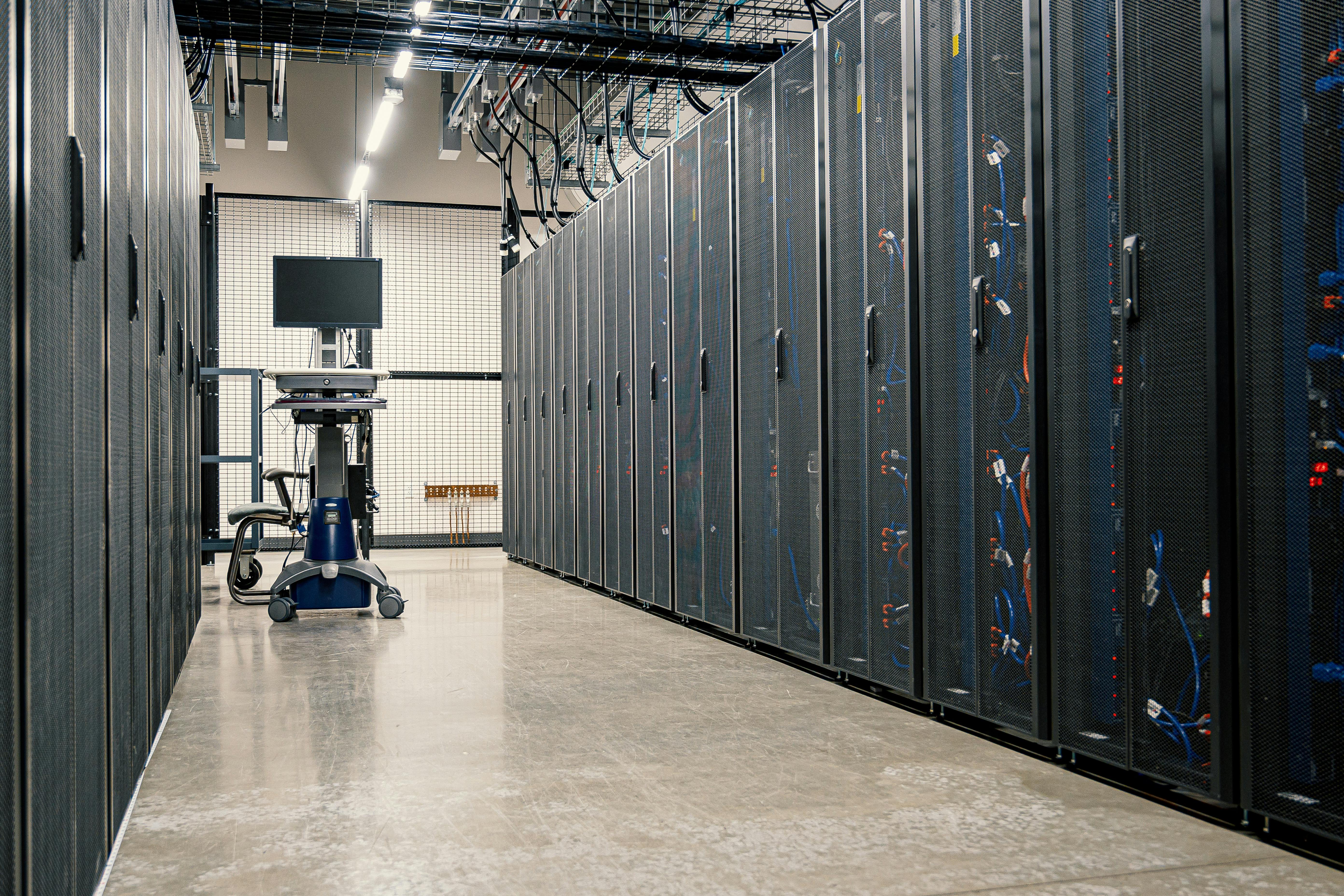
Representative licensed photograph of a data center; not a photo of CoreWeave facilities or the earnings announcement. Photographer: Brett Sayles / Pexels.
What did CoreWeave report in Q3 2026?
In its November 10 earnings release, the AI cloud infrastructure provider reported quarterly revenue of $3.661 billion for the period ended September 30, versus $1.365 billion in the comparable 2025 quarter. That represents roughly 168% year-over-year growth. Operating income reached $207 million, but the company reported a $709 million net loss, compared with a $110 million loss a year earlier. The figures are also available in its SEC-filed earnings exhibit.
These figures describe different things. Revenue reflects sales of services, operating income reflects earnings before financing and certain other items, and the net loss captures expenses further down the income statement. A company can therefore post rapidly expanding revenue and positive operating income while still losing money overall.
Why are investors watching CoreWeave's debt and interest costs?
CoreWeave recorded about $846 million in net interest expense in the quarter, according to its financial disclosure, substantially more than its $207 million of operating income. Management forecasts $1.05 billion–$1.15 billion of interest expense in the fourth quarter. That makes borrowing costs a material part of the investment case rather than a minor accounting detail.
Management said it expects approximately $9 billion in customer prepayments and deposits during the following three months. Those are expected future inflows, not cash already received at the September 30 balance-sheet date. MarketWatch's November 11 coverage highlighted how contract-backed financing and customer funding helped ease some investor concerns, while financing requirements remain significant.
Does the $132.5 billion backlog mean guaranteed revenue?
No. CoreWeave reported approximately $132.5 billion in revenue backlog as of September 30. Its own definition combines remaining performance obligations with other amounts expected under committed customer contracts, subject to service delivery and availability conditions. The backlog is a measure of contracted demand; it is not the same as cash on hand, realized revenue, profit or a guarantee of collection on a specific schedule.
Capacity is the other constraint. CoreWeave said it had more than 1.7 gigawatts of active power and expects more than 1.85 gigawatts by year-end. Data-center equipment, electricity, construction and customer deployment schedules all affect how quickly demand can turn into recognized revenue. The company identifies power availability, debt and capital requirements among its forward-looking risks.
What guidance changed, and how much is CoreWeave spending?
The company increased its 2026 revenue guidance to $13.0 billion–$13.3 billion and its adjusted operating income guidance to $1.275 billion–$1.375 billion. It now expects full-year capital expenditures of $37 billion–$39 billion, raising the lower end of its previous range. Capital spending is not the same as an expense deducted immediately from quarterly profit, but it does require financing and eventual returns on installed capacity.
The company also expects to exit 2026 at an annualized revenue run rate of $20 billion–$21 billion. That forward-looking run rate should not be confused with actual full-year revenue. Both the outlook and the projected customer prepayments depend on future execution.
Why did CRWV stock and other AI shares react?
Associated Press reported November 11 that CoreWeave shares climbed 21.9% in Wednesday trading and that other AI-related stocks also gained. The market response followed the earnings report and financing discussion, but a one-day move cannot establish the long-term value of CoreWeave's contracts or future profitability. Share prices may change after the reporting cutoff.
For investors researching CoreWeave earnings or CRWV stock, three disclosures deserve separate attention: actual revenue, the cost and maturity of financing, and how much committed capacity is installed and earning money. The company has raised growth guidance, but its reported loss and prospective interest expense remain meaningful counterweights.
What should readers watch next?
The next measurable milestones are fourth-quarter revenue and interest costs, whether the anticipated customer prepayments arrive, and progress bringing contracted power and infrastructure into service. Readers should use the company's quarterly filings and investor-relations updates for subsequent results rather than treating the November guidance as a settled outcome.
For related U.S. market context, see NewsTrendus coverage of the November 9 stock rally and Nvidia and Veterans Day stock and bond market schedules. These are distinct stories and do not independently verify CoreWeave's financial outlook.
Reporting cutoff: November 11, 2026, 16:30 UTC. Primary sources: CoreWeave investor release and SEC exhibit. Independent confirmation and market context: Associated Press and MarketWatch. This report is informational, not a recommendation to buy or sell CRWV.