 News
Antarctic Ozone Hole 2026 Ranks Seventh Largest: Why NOAA and NASA Still See Recovery
A large ozone hole this year is not proof that decades of environmental protection have failed. The agencies distinguish short-term polar weather from long-term atmospheric chemistry.
This is a source-linked desk explainer, not first-hand reporting. Research and drafting may use AI-assisted tools. Follow cited records and our editorial and corrections policy.
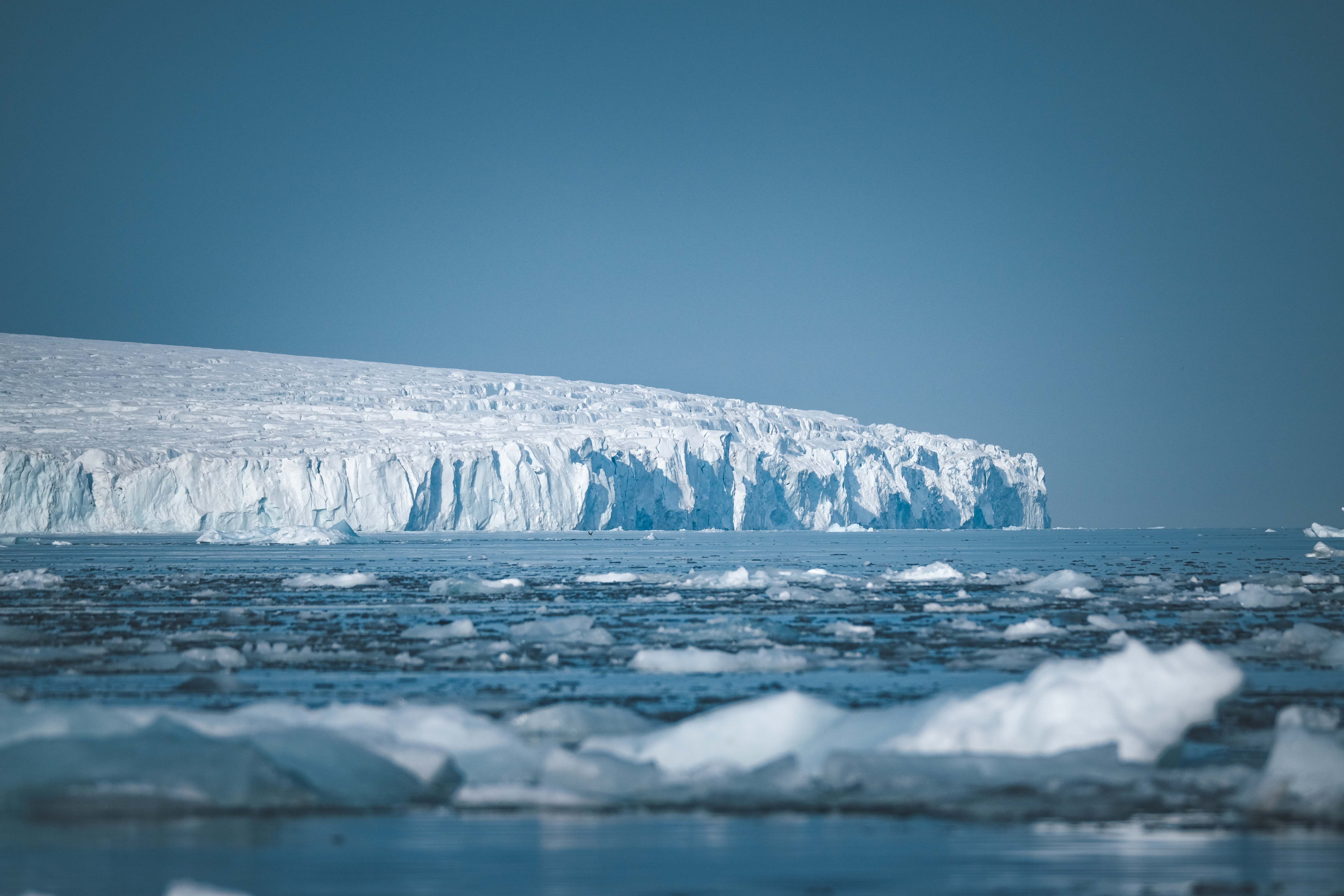
Representative licensed photo; not a documentary image of the reported 2026 event or product. Photo: Francesco Ungaro / Pexels (Pexels free-use license).
The latest joint NOAA–NASA assessment addresses a confusing headline: how can the annual Antarctic ozone hole be unusually large if the international effort to repair the ozone layer is working? The answer requires measuring two different things on two different timescales. The hole’s geographic area varies considerably with each year's stratospheric weather. The longer-term trajectory also depends on slowly declining ozone-depleting chemicals.
What did NOAA and NASA measure in 2026?
The agencies say the ozone-depleted region averaged 9.6 million square miles during the peak-season monitoring window from September 7 through October 13. Its greatest daily extent came on September 18 at about 10.5 million square miles, or 27.1 million square kilometers. The daily peak and the multiweek seasonal average are not interchangeable. The seventh-largest ranking refers to the seasonal-mean area, not necessarily to every single day's record.
The agencies also recorded the lowest overhead South Pole ozone amount for the season at 105 Dobson units on October 17, using balloon instruments and ground-based optical monitoring. A Dobson unit measures the total amount of ozone through a vertical column of air. It is a different statistic from the size of the region with severe depletion; using the two interchangeably can make headlines sound inconsistent.
Why was this year's hole so large?
NOAA researchers identified an unusually strong and expansive polar vortex, a circulation pattern that traps cold air in the Antarctic stratosphere. The sustained cold favors the conditions under which chlorine- and bromine-containing chemicals damage ozone. NOAA explains that atmospheric waves that often disrupt the vortex were relatively weak during August and September 2026. This allowed the chemistry that removes ozone to act across a wider region.
That does not mean every windy or cold day on Earth has the same effect. The relevant conditions are high above Antarctica, in the stratosphere, and the processes have a specific seasonal pattern. The agencies describe 2026 as a year when unfavorable weather temporarily overwhelmed some of the visible progress from falling chemical levels.
How can recovery still be on track?
The NASA science explanation and NOAA report say international controls on chemicals used in older refrigerants, insulation and other products have progressively reduced the atmospheric burden of ozone-damaging compounds. The Montreal Protocol, agreed in 1987, targeted these chemicals. But many persist for decades, so the ozone layer does not rebound in a straight line from one September to the next.
NOAA estimates the 2026 hole could have been substantially larger if ozone-depleting substance concentrations were still at their earlier peak. The agency's long-range expectation for Antarctic recovery remains around the 2070s. That is a projection based on chemical trends, not a promise that each coming year will show a smaller hole.
Does this mean the US ozone level suddenly collapsed?
No. The reported ranking concerns the seasonal ozone hole over Antarctica, not a measured nationwide failure of the atmosphere above U.S. cities. Stratospheric ozone helps absorb ultraviolet radiation; ground-level ozone, by contrast, is an air pollutant. Confusing those two can lead readers to misunderstand both climate and public-health advice.
People should still follow local UV index guidance when outdoors, but a news headline about Antarctic measurements is not itself a new U.S. UV exposure alert. For actual ultraviolet exposure decisions, use reliable local forecasts and ordinary sun-protection practices. These are separate questions from the annual South Pole observations.
What evidence supports the measurement?
The agencies combine data from NASA and NOAA satellites with instruments carried by balloons above the South Pole and a Dobson ozone spectrophotometer. Different measurements provide different perspectives: satellite maps describe the horizontal extent, while direct profiles and ground instruments help reveal ozone levels through the atmosphere. Using multiple methods makes the annual assessment more informative than an isolated dramatic image.
Readers can review NASA Ozone Watch for continuing maps and NOAA's ozone monitoring resources for methodology. Other space science stories are in our NASA Swift observatory explainer.
Sources and verification
- NOAA: November 4 annual measurements, vortex and chemistry analysis
- NASA Science: Antarctic ozone hole 2026 data explanation
- NASA Ozone Watch: monitoring reference
Reviewed November 5, 2026. Ozone-hole rank, seasonal area, daily peak and future recovery projection are distinct measurements and should not be conflated.